

Service
Data Engineering
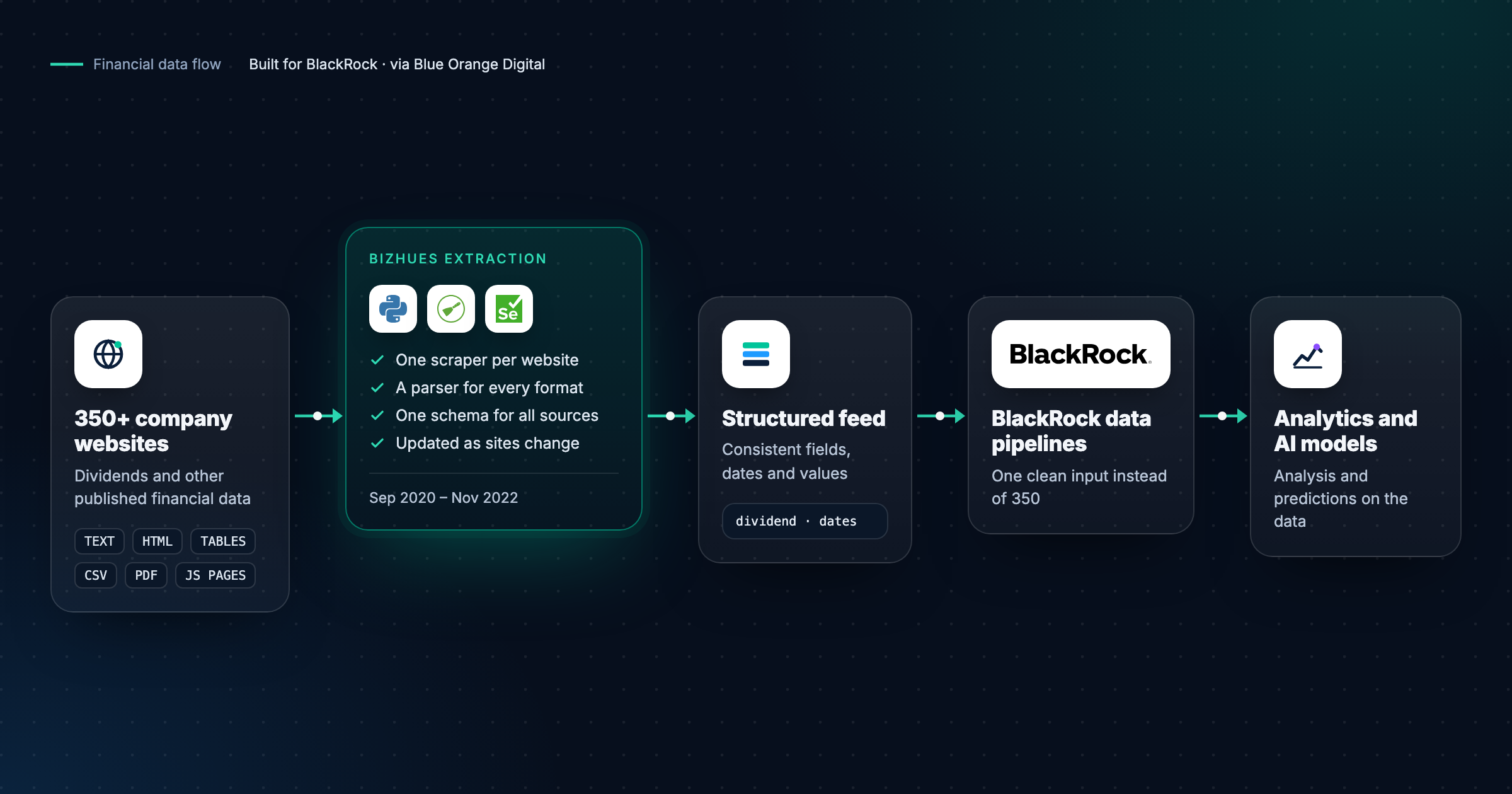
Pipelines, a warehouse and reporting that turn records scattered across tools into numbers finance and operations both trust.
Data Engineering
- 01Source and ownership mapping
- 02Pipeline development
- 03Storage and warehouse design
Overview
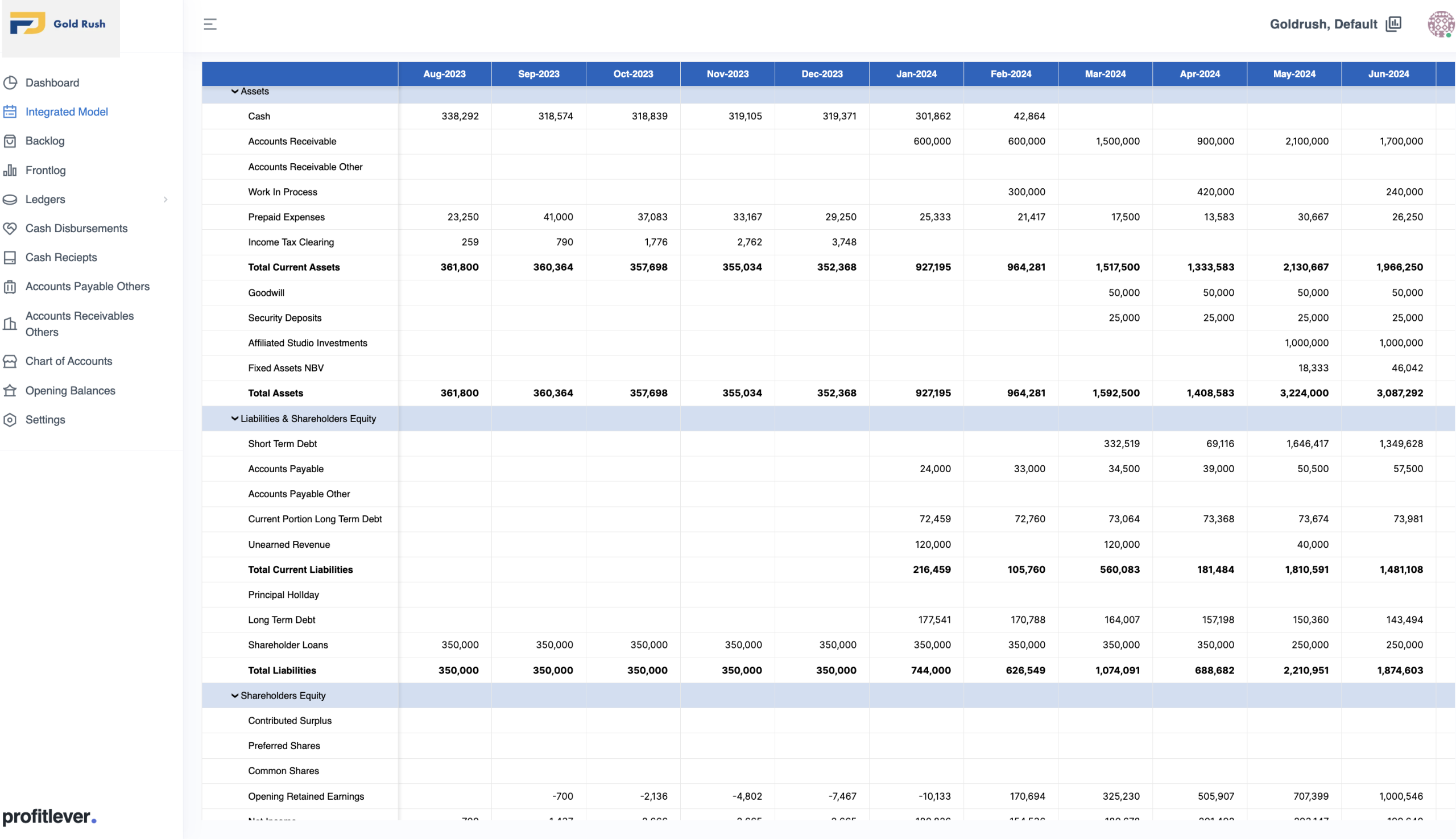
Data engineering builds the pipelines, storage, and reporting layer that turn scattered records into numbers people trust. The analytics layers on Profit Lever Models and eLibsy, built with tools such as Metabase and Superset over PostgreSQL, are recorded examples.
What we build
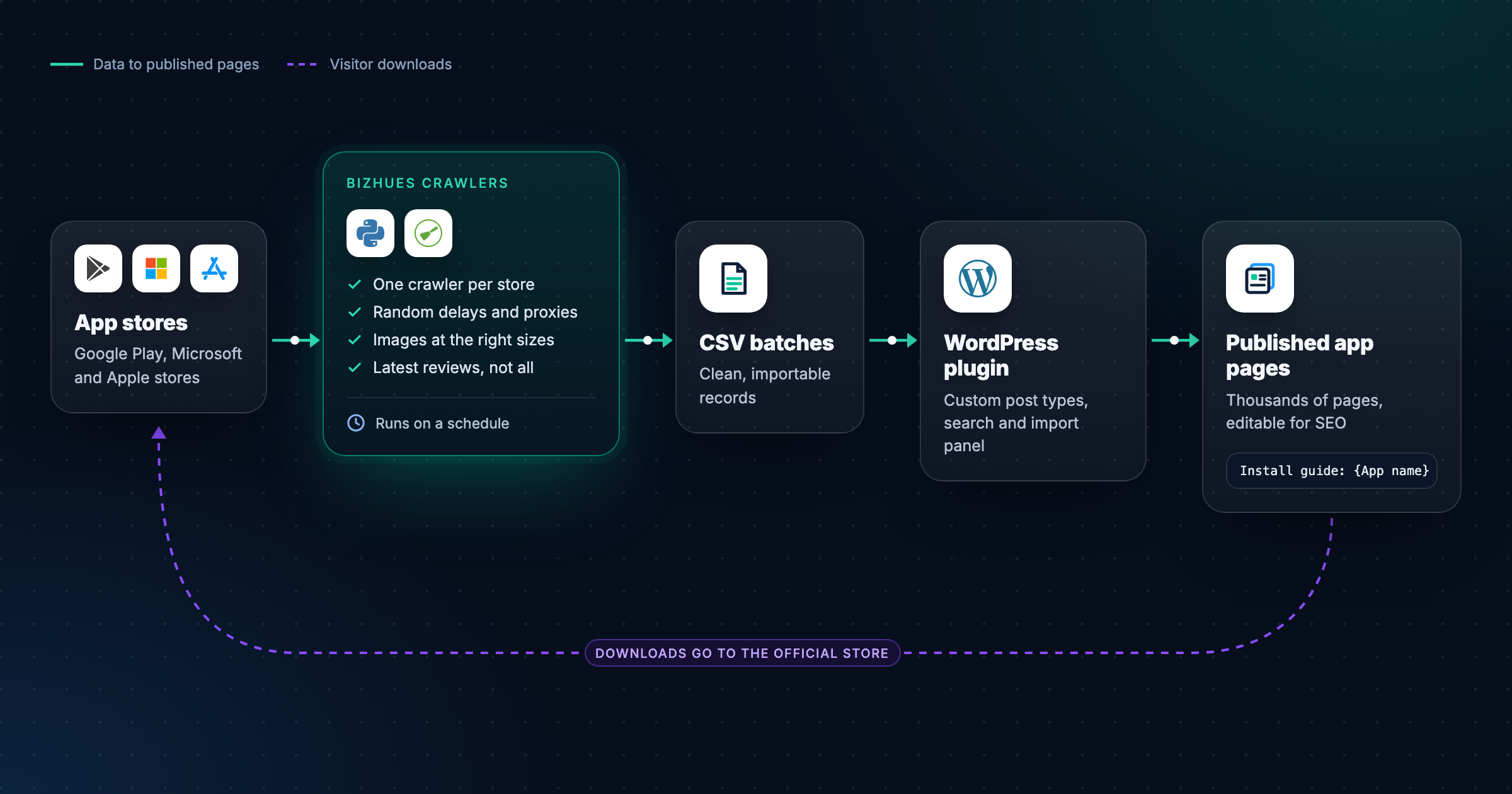
- Pipelines that collect data from applications, SaaS tools, and files
- Warehouses and reporting databases with clear ownership
- Dashboards and scheduled reports in Metabase, Superset, or similar
- Event logging and audit trails inside applications
- Clean, documented datasets for forecasting and AI features
How we approach the build
We start with the questions the business needs answered and work back to the sources. Pipelines are built with monitoring so a broken feed is noticed before the monthly report is wrong.
What's included
Capabilities
- Source and ownership mapping
- Pipeline development
- Storage and warehouse design
- Dashboards and reports
- Data quality checks and alerts
- Access control
- Documentation
Process
- Discover. Working sessions to agree the users, the decisions the software supports, the systems it touches, and what the first release must do.
- Design. Data model, integration points, and clickable screens for the main flows before any build time is spent.
- Build. Short cycles with working software on a shared staging environment at the end of each one.
- Launch & scale. Release with monitoring in place, hand over the code and infrastructure, then use production feedback to decide what changes next.
Questions we hear often
Do we need a data warehouse?
Can this feed AI features?
More services
Start small: talk the requirement through before anything is built.
A short call with an engineer, not a salesperson. You describe the process or system, we ask questions, and you leave knowing whether it is worth scoping and roughly what that involves.
Talk to an engineer
Have data that should be working harder?
Describe the process, the systems involved, and what a good outcome looks like. We reply with questions and a suggested first step.